SMD Rework Basics: Hot Air and Reflow Soldering Explained
An introduction to surface-mount rework: how hot air rework stations and reflow work, when you need them, and how to remove and replace SMD components.
Written by Kerem Başbuğ · Last updated September 30, 2026 · How we rank
4 min read
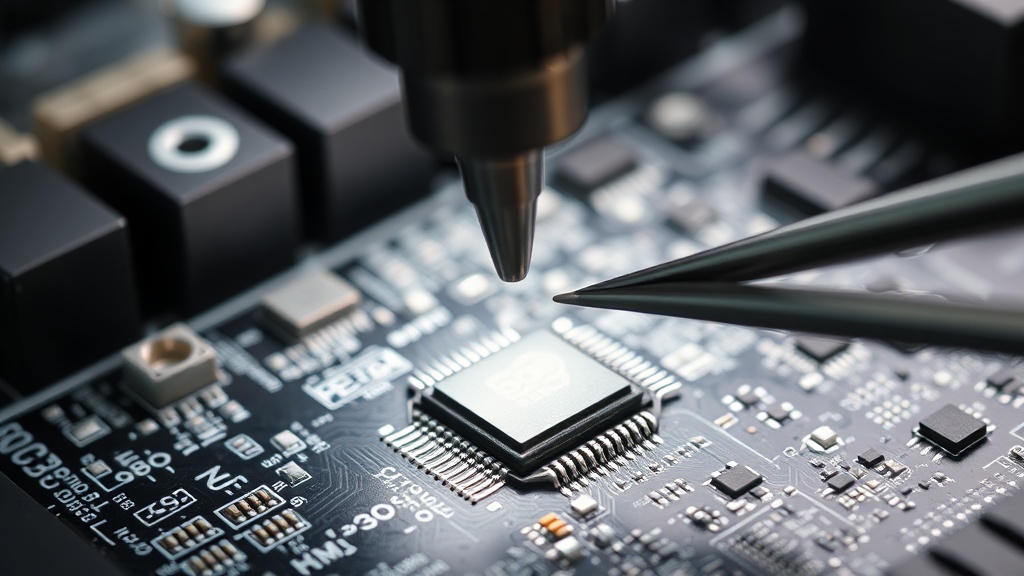
Affiliate disclosure: As an Amazon Associate we earn from qualifying purchases. We may earn a commission when you buy through links on this page — at no extra cost to you. Read our affiliate disclosure for details.
Surface-mount (SMD/SMT) components are everywhere in modern electronics: tiny, leadless, packed tight. Working with them feels like a different craft from through-hole soldering, but the fundamentals carry over — and you can go a long way before you need any special equipment.
Hand-soldering vs reflow
There are two broad ways to solder surface-mount parts:
- Hand-soldering heats one joint at a time with a fine-tipped iron, just like through-hole — it works well for parts with accessible legs (resistors, capacitors, SOIC chips).
- Reflow applies solder paste to the pads, places the parts on top, then heats everything at once until the paste melts and every joint forms simultaneously. This is how factories build boards, and how you handle leadless parts that an iron cannot reach.
For learning, start with hand-soldering. You can solder a surprising amount of surface-mount work with nothing more than a fine iron, flux and wick, and a practice board.
Hand-soldering an SMD part
The technique that makes SMD click for most people:
- Add flux to the pads — surface-mount work needs far more flux than solder wire carries.
- Tin one pad with a little solder.
- Tack one corner — hold the part in place with tweezers and reflow that one tinned pad to anchor it.
- Solder the remaining pins. Drag-soldering or one pin at a time both work; flux keeps it flowing.
- Wick away any bridges. If two pins join, lay desoldering braid over them and lift the excess.
It is fiddlier than through-hole, but a magnifier and helping hands and good flux make it very approachable. Practising on a dedicated SMD board builds the steady hand it needs.
When you need hot air
A hot air rework station blows a controlled stream of hot air to heat all of a part’s joints at once. You need it when an iron simply cannot reach the joints:
- Removing multi-pin chips without damaging the board — heat all the legs together and lift the part off.
- Leadless packages (QFN, DFN) whose pads are underneath the body.
- BGA work — though ball-grid arrays are an advanced topic in their own right.
Hot air also makes removing and replacing parts dramatically faster than struggling with an iron and wick.
Reflow on a budget
You do not need an industrial oven to try reflow. Hobbyists use:
- A hot air station to reflow a small area or a single part.
- A hot plate to heat a whole small board from below until the paste melts.
- Dedicated mini reflow ovens for repeatable, whole-board runs.
All rely on the same idea: solder paste plus even heat equals every joint forming at once.
Where to start
Hot air starting settings
| Job | Temperature | Airflow | Notes |
|---|---|---|---|
| Small passives (0603–1206) | ~300–330°C | Low | Small nozzle; keep it moving |
| SOIC / TSSOP chips | ~330–360°C | Low to medium | Preheat the area first |
| QFN / leadless chips | ~340–370°C | Medium | Plenty of flux; lift only when fully molten |
| Plastic connectors nearby | Lower, with shielding | Low | Cover with foil or heat-resistant tape |
These are starting points, not rules — nozzle size, distance and the board itself all change the result. Start low, add flux, and increase gradually.
Protecting nearby parts
- Shield neighbours with foil or heat-resistant tape, especially plastic connectors and electrolytic capacitors.
- Preheat larger boards gently so the target part melts sooner and the board flexes less.
- Keep the nozzle moving in small circles instead of parking it on one spot.
- Lift, do not pull: wait until all the solder is molten, then lift the part straight up with tweezers.
Choosing a rework setup
A 2-in-1 station with an iron and hot air in one unit, such as the WEP 882D, is the space-saving choice for a hobby bench. A separate hot air station makes sense once you already own a good iron. For practice, a graded SMD practice board gives you parts to remove and refit without risking a real device. The best soldering stations ranking compares the options.
Do not buy a hot air station on day one. Learn clean through-hole joints first, then practise hand-soldering larger SMD parts with flux and wick on a cheap board. Add hot air when your projects genuinely call for leadless parts. By then the fundamentals — flux, heat control, patience — will already be second nature.
Recommended kits from this guide
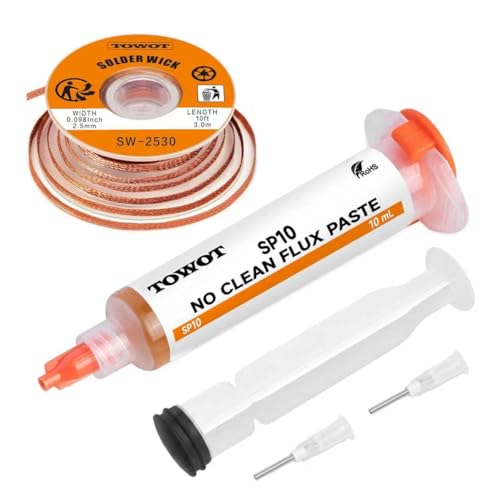
TOWOT
TOWOT Solder Wick & Flux Kit
Solder braid plus no-clean flux — the cleanup duo.
We earn a commission, at no extra cost to you.
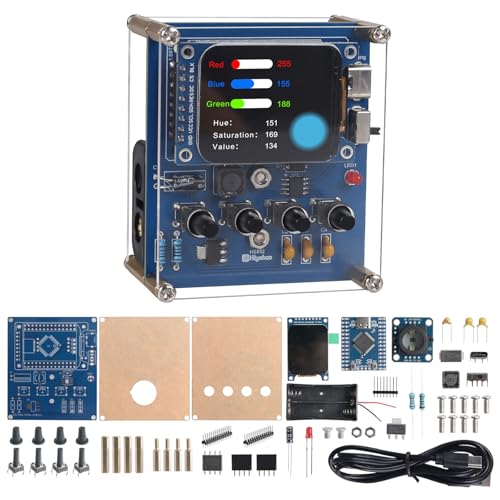
BANRIA
BANRIA Color Recognition Soldering Kit
A real colour sensor and TFT screen — practice that teaches electronics.
We earn a commission, at no extra cost to you.

Gikfun
Gikfun SMD/SMT Welding Practice Board (EK7028)
Step up from through-hole to surface-mount with a dedicated training board.
We earn a commission, at no extra cost to you.