RC and Drone Soldering Kit
A 100W iron for thick leads and connectors, plus the wire, XT60s, heat-shrink and multimeter a build needs.
Compiled by Kerem Başbuğ · Last updated October 20, 2026 · How we rank
Affiliate disclosure: As an Amazon Associate we earn from qualifying purchases. We may earn a commission when you buy through links on this page — at no extra cost to you. Read our affiliate disclosure for details.
Shopping set · 8 items
RC and Drone Soldering Kit
RC soldering is about heat capacity: battery leads and XT60 connectors soak up heat that a small iron cannot deliver, which is where cold joints come from. This set starts with a 100W iron and adds the connectors, silicone wire and heat-shrink you actually use, plus a multimeter to check for shorts before the first battery goes on.
-
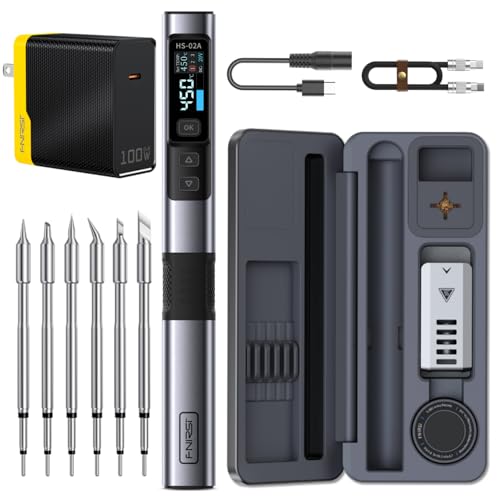
1. Iron
FNIRSI HS-02A Smart Soldering Iron
100W in a pencil-sized body — enough thermal headroom for XT60 pins and 12 AWG leads.
-

2. Solder
HGMZZQ 60/40 Rosin-Core Solder Wire
Rosin-core wire that flows quickly on pre-tinned leads and connector cups.
-

3. Flux
Kester 951 No-Clean Flux Pen
Extra flux on big connectors is the difference between a shiny joint and a dull cold one.
-

4. Connectors
Ertzinla XT60H Connectors (12 Pairs)
Sheathed XT60H pairs, with spares to practise on before the real battery lead.
-
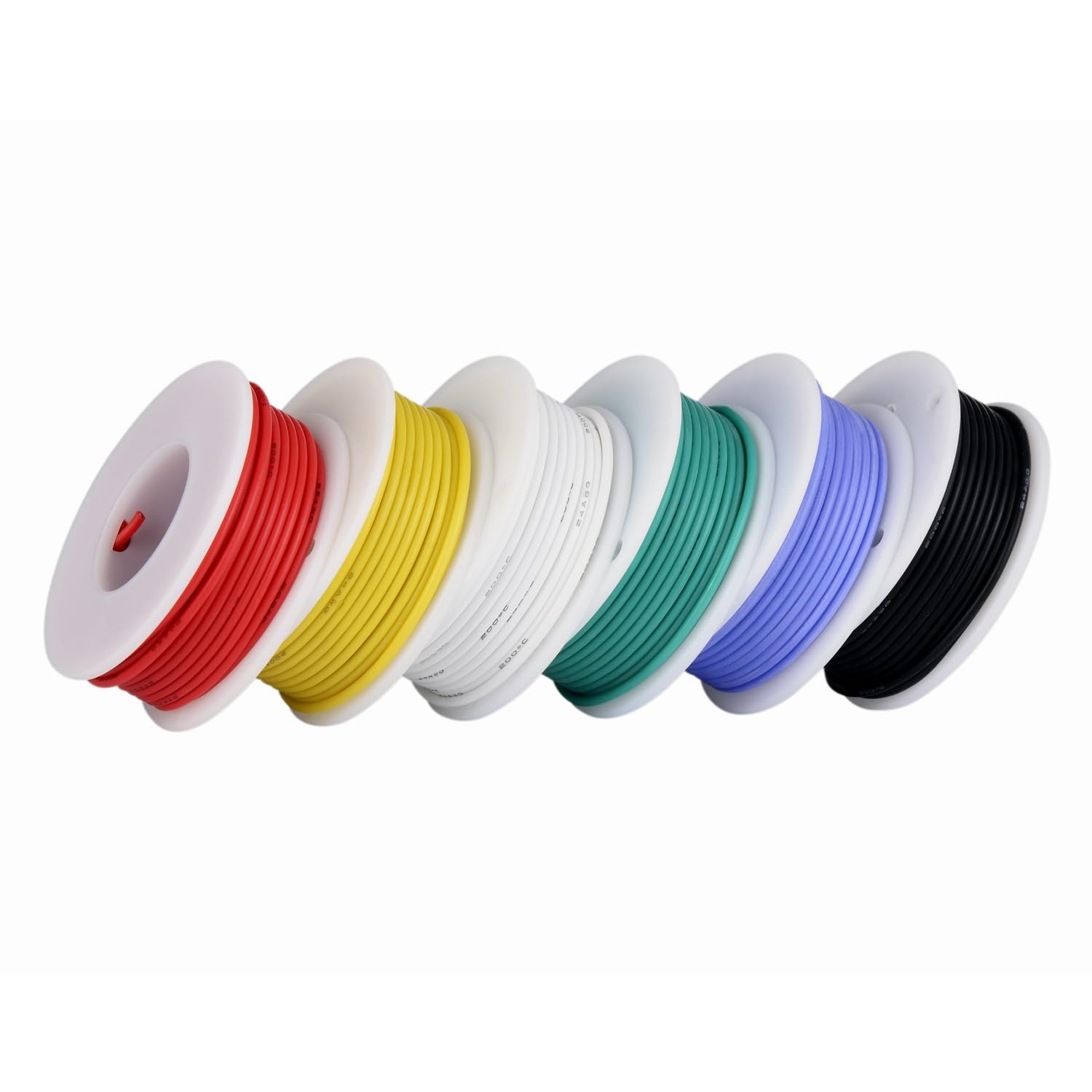
5. Signal wire
TUOFENG 22 AWG Silicone Wire Kit
Flexible silicone wire for receiver, VTX and camera runs; the insulation does not melt back.
-
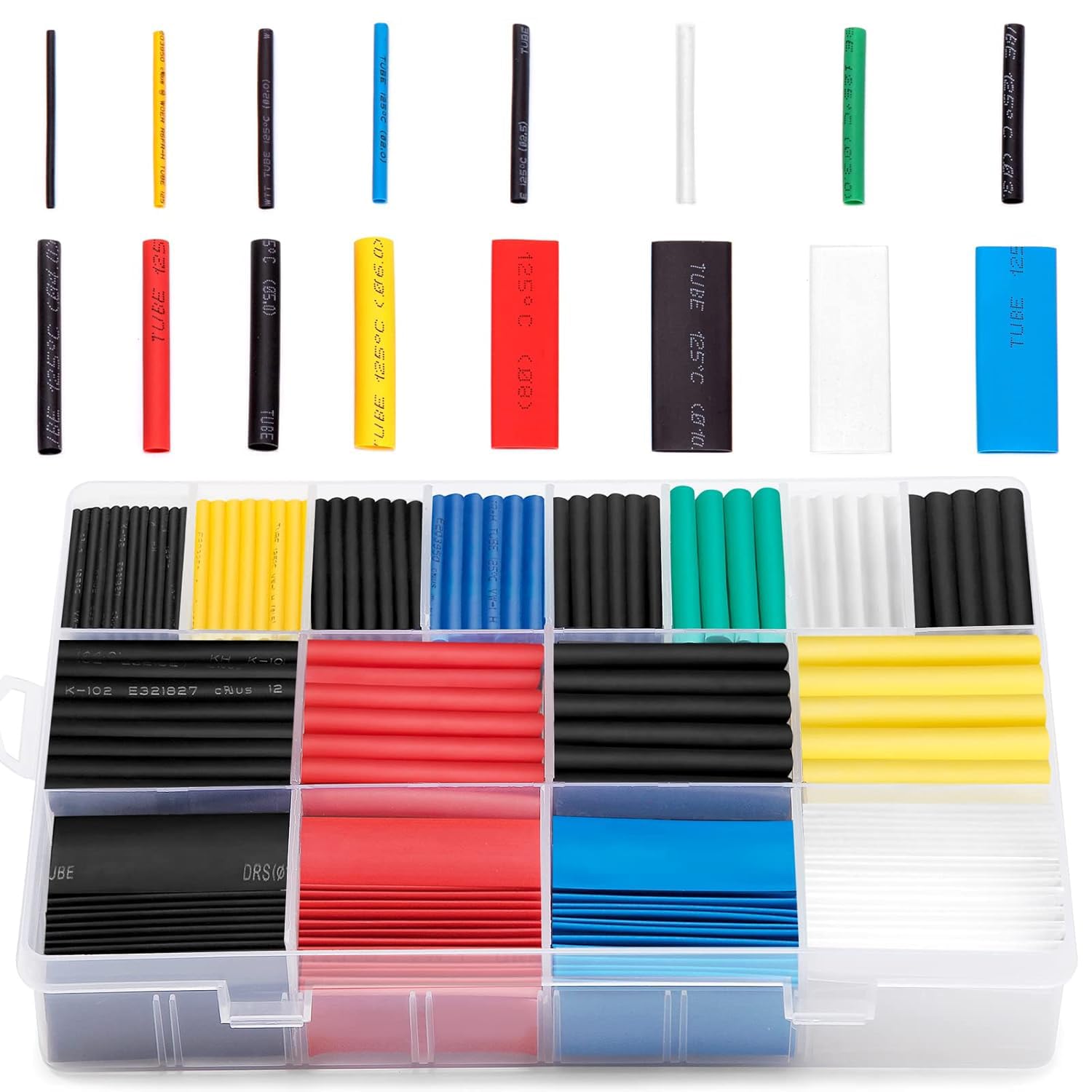
6. Heat-shrink
Ginsco 580-Piece Heat Shrink Tubing Kit
Eleven sizes so every splice and connector tail gets a sleeve that fits.
-
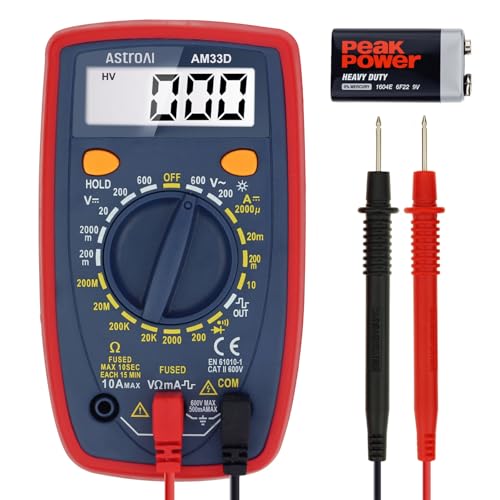
7. Multimeter
AstroAI AM33D Digital Multimeter
Continuity check across the power leads before the first plug-in — a beep instead of a dead ESC.
-

8. Third hand
Kaisiking Helping Hands with Magnifier
Holds the connector body still while you feed solder and iron into the cup.
Adds all 8 items to your Amazon cart in one step — remove anything you already own before checkout. We earn a commission on qualifying purchases, at no extra cost to you.
Why these 8 items
The FNIRSI HS-02A is compact but puts 100W into the tip, which is what a 12 AWG lead and a brass XT60 pin need. A large chisel tip and plenty of flux do the rest; pre-tin both sides and the final joint takes seconds instead of melting the connector housing.
Silicone-insulated wire is standard in RC because it stays flexible and does not melt back from the joint. The heat-shrink kit covers the splices and connector tails; buy the sheathed XT60H version of the connector so the shrink has somewhere to sit.
The multimeter is the item people skip and regret. A continuity check between the main power leads, before plugging in a full LiPo, turns a short from a destroyed ESC into a beep. Pair it with a current-limited bench supply from our bench power supply roundup for the first power-up.
Read the full guide: Soldering for RC and drones.
Frequently asked questions
What wattage iron do I need for XT60 connectors?
Why silicone wire instead of PVC?
More shopping sets
 +5
Complete Beginner Soldering Bench
A temperature-controlled station, consumables, safety gear and a first board — everything a first session needs.
See the set →
 +2
A Child's First Soldering Set
A short, rewarding first build plus the safety gear and a sensible iron, chosen for ages 8–12 with an adult.
See the set →
 +3
Teen Maker Soldering Set
A proper station, a weekend-sized project and the tools to finish it cleanly — a set that grows with a 13–17 year old.
See the set →